
Memorial Stadium’s Fading Magic
Flags flew and memories were made on 33rd Street, but by the 1980s, Memorial Stadium, the Orioles' home since Major League Baseball returned to Baltimore in 1954, was showing its age.
Heroes played here
The Orioles won six American League pennants and three World Series in their years at Memorial Stadium. A future mayor remembers the thrill of playing high school football on the field, and the team’s owner recalls the days when he was a kid sitting in the bleachers. But the locker rooms were crummy, pipes were leaking, the general manager worked from a tiny office, and amenities for fans were few.
I remember people would say, ‘The fans here, they really stay to the bitter end.’ What else were they going to do? They could sit in their car and go nowhere.
Jon Miller, former Orioles broadcaster, on the stadium’s bumper-to-bumper parking
Miracles and misses on 33rd Street
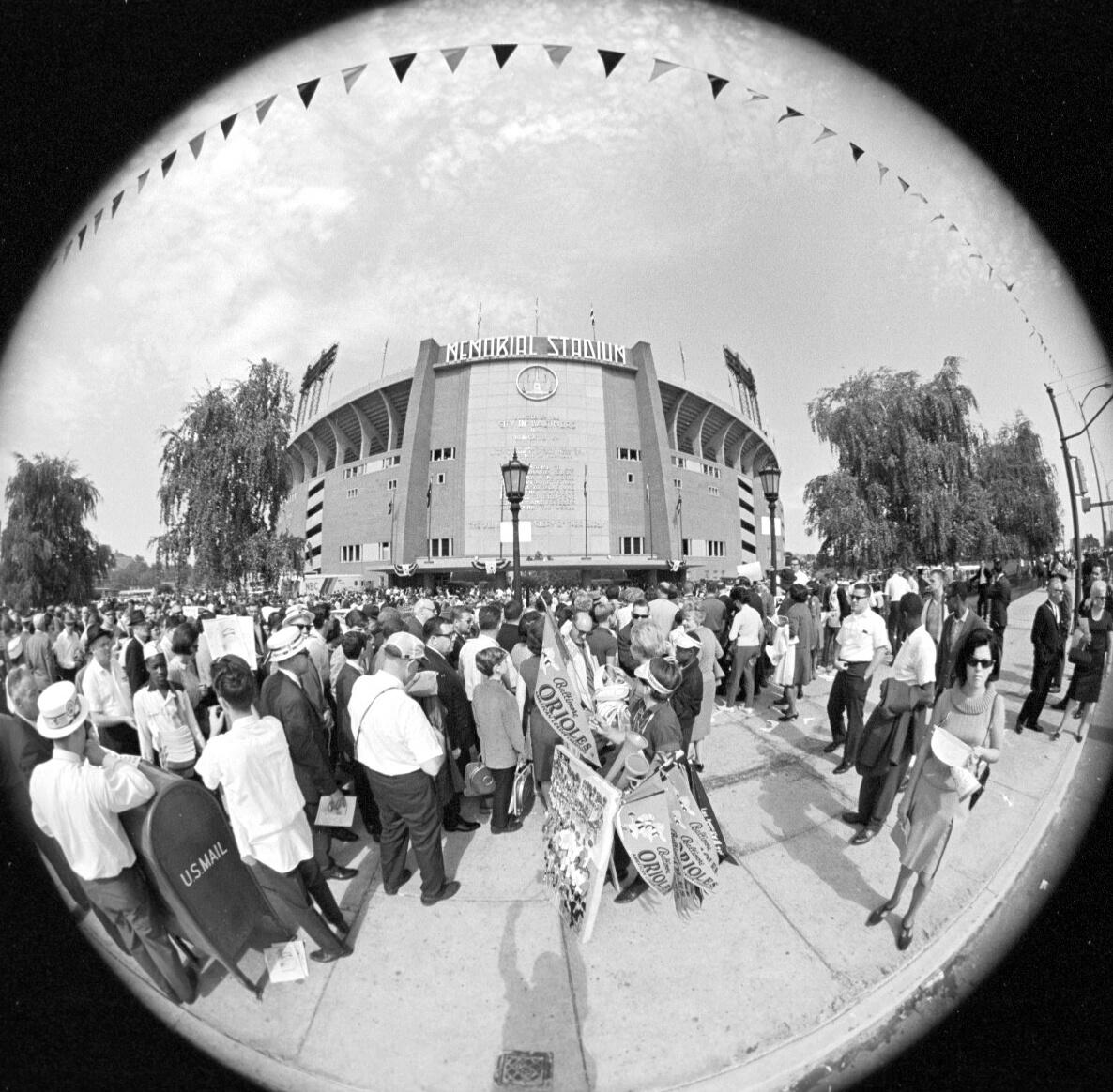
Memorial Stadium was Baltimore’s emotional switchboard: One decade it’s pure civic triumph, the next it’s a public breakup.
It welcomed the Orioles back to town in 1954 with a full-on citywide celebration and a packed first home game, as if Baltimore was reclaiming a missing piece of itself. It hosted the kind of baseball that becomes family folklore: the 1966 Orioles steamrolling the heavily favored Dodgers to win the franchise’s first World Series title. The 1983 club finished the job for a third championship, sealing Memorial as a cathedral for October baseball.
On Sundays, it shook under the Colts, including the 1959 NFL championship game right there on 33rd Street, with Unitas and Co. turning the place into a weekly riot and a religion. And then came the scar tissue: the Colts leaving Baltimore overnight in March 1984, the Mayflower trucks rolling out like a theft the whole city had to watch. Still, because Baltimore is nothing if not stubborn, Memorial Stadium also gave us “Fantastic Fans Night” in 1988, when more than 50,000 people showed up to love a miserable 1-23 Orioles team anyway, basically daring the universe to break their hearts again.
[Baltimore Mayor William Donald Schaefer] was standing there, and I looked up and there was a ceiling about to burst. The pipe could burst. It was about to douse the mayor at an Opening Day party. And fortunately, I was able to move him away and cut it off.
Bob Aylward, former Orioles VP of business affairs
Watch the interview
Getting to 33rd Street
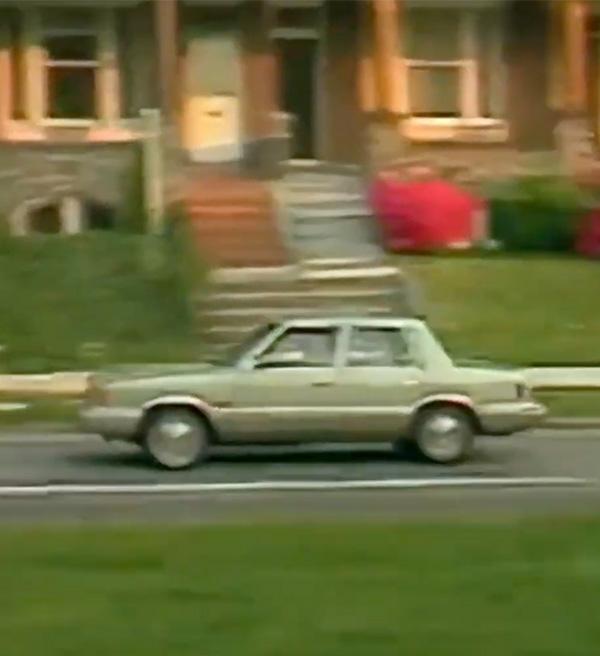
On game days, the boulevard became a traffic-jammed one-way street — toward the stadium before the first pitch, one way in the other direction after the last out. Traffic would build from the Inner Harbor, 4 miles away, hours before the first pitch, lanes of cars ready to swamp the quiet rowhouse neighborhoods that were home to Memorial Stadium. Ned Williams, the son of Orioles owner Edward Bennett Williams, drove that route day after day. Could he hit a smooth string of green lights? That was a game he and so many other fans played, usually without success.
In those days when Opening Day occurred, if you got a letter from your mother asking you be excused from school for half the day to go to Opening Day, that was fairly common.
David Rubenstein, Orioles owner
Municipal Stadium — Memorial, before it was Memorial
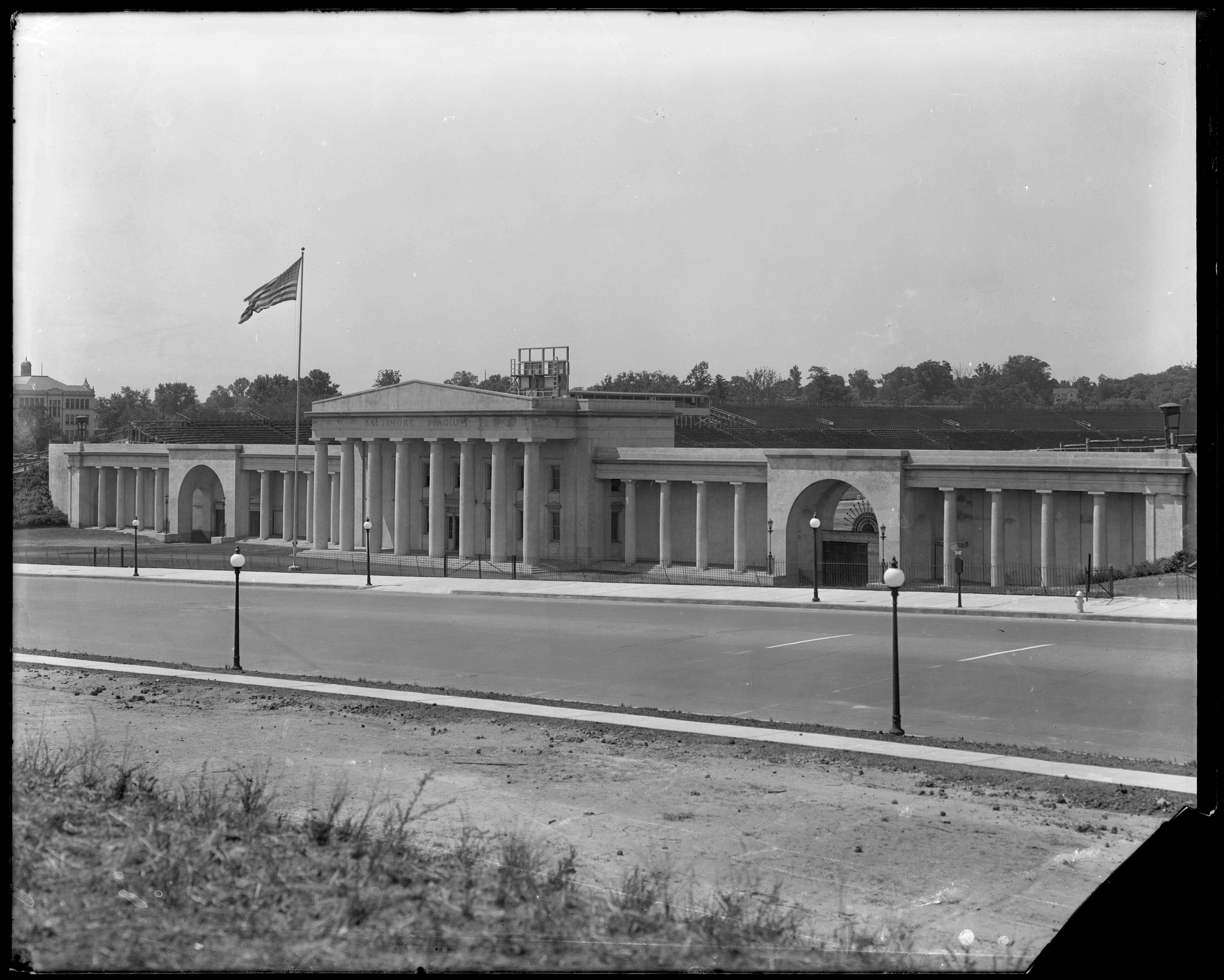
Before it became Memorial Stadium, it was Municipal Stadium — a practical patch job that accidentally turned into Baltimore’s big audition. After a 1944 fire wiped out the International League Orioles’ Oriole Park, the team moved in and promptly won the league title and the Junior World Series, drawing postseason crowds so massive they made the city impossible to ignore. Pro football added fuel in 1947 when the AAFC’s Miami Seahawks were reborn as the Baltimore Colts.
Suddenly, Baltimore was thinking bigger. The city began rebuilding Municipal into a “major league-caliber” home, renaming it Baltimore Memorial Stadium to honor those lost in World War II. Construction rolled on in stages from 1949 through 1954, even as teams kept playing, reshaping the ballpark into the familiar horseshoe and adding an upper deck as the Orioles’ major league return became real.
Memorial Stadium draws a crowd
The ghosts of Baltimore ballparks past
In an era long before Camden Yards, the Orioles’ first homes were segregated, unsafe and uncomfortable
Racial barriers separated fans, fires ravaged wooden structures, and creature comforts were nonexistent
By Jake Kauderer and Andrew Rich

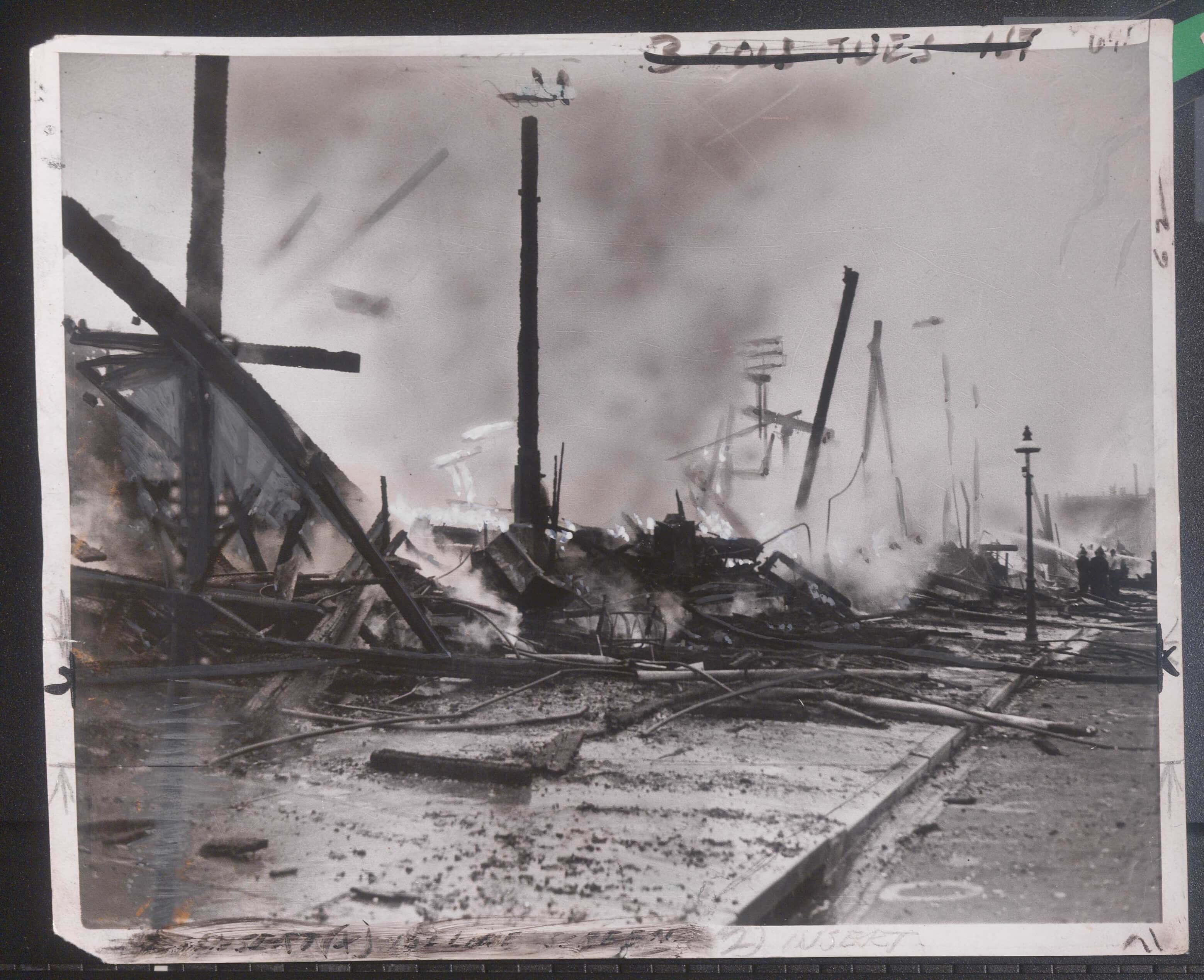
Firefighters spray water over the burned wreckage of Oriole Park on July 4, 1944.
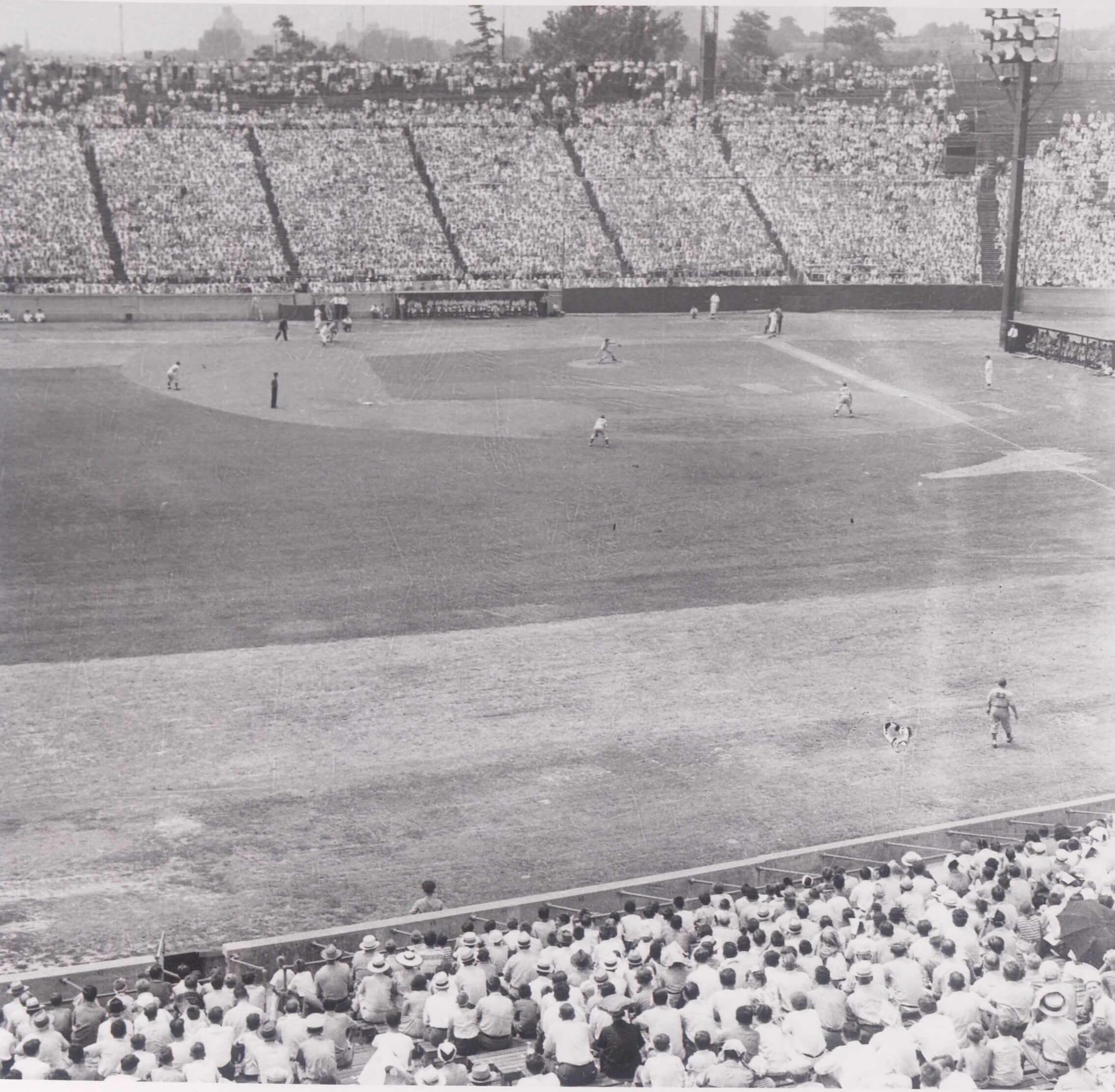
The Orioles play for the first time at Memorial Stadium following a fire that destroyed Oriole Park in 1944.
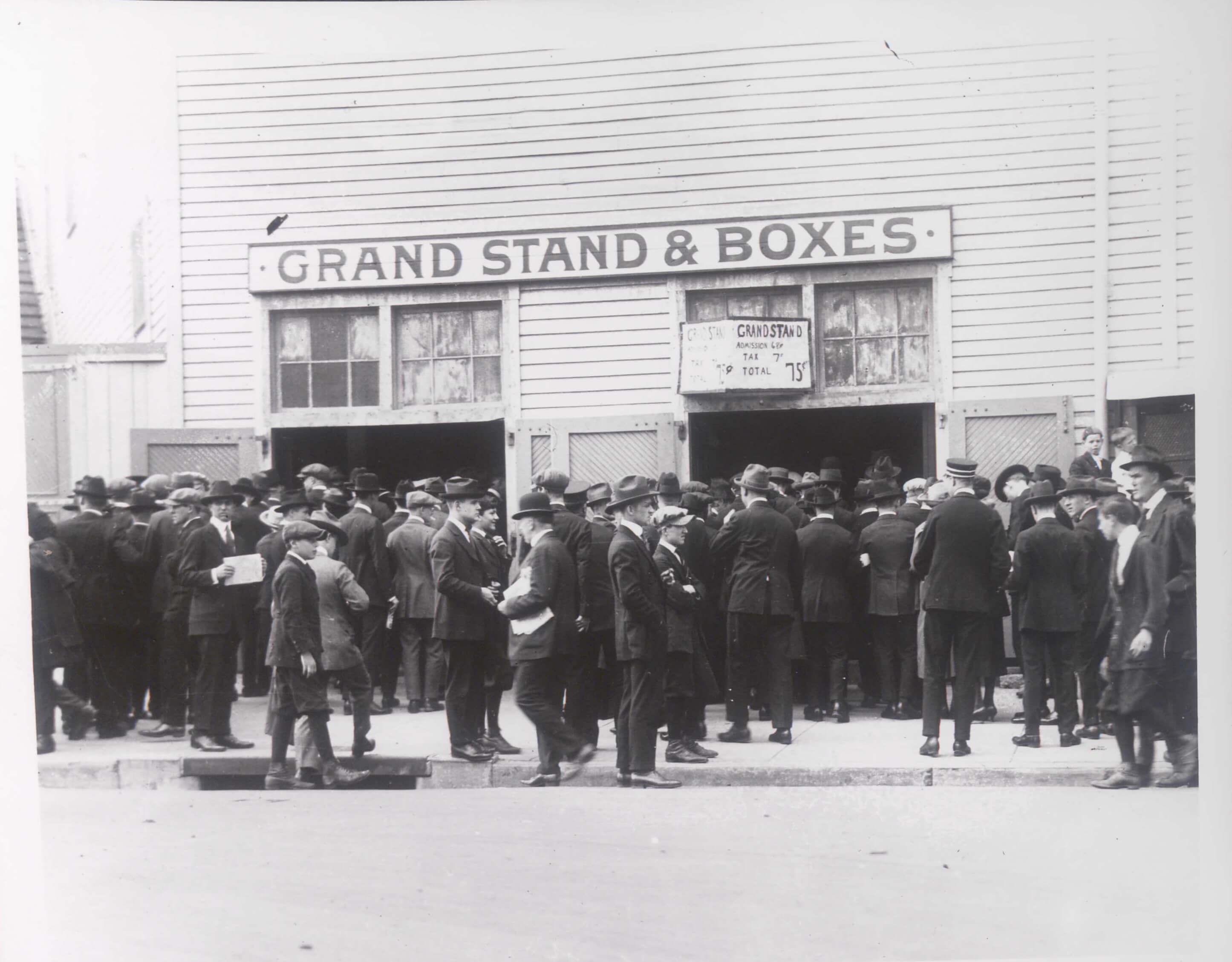
A crowd gathers outside the “Grand Stand & Boxes” entrance at the Oriole Park ticket windows.
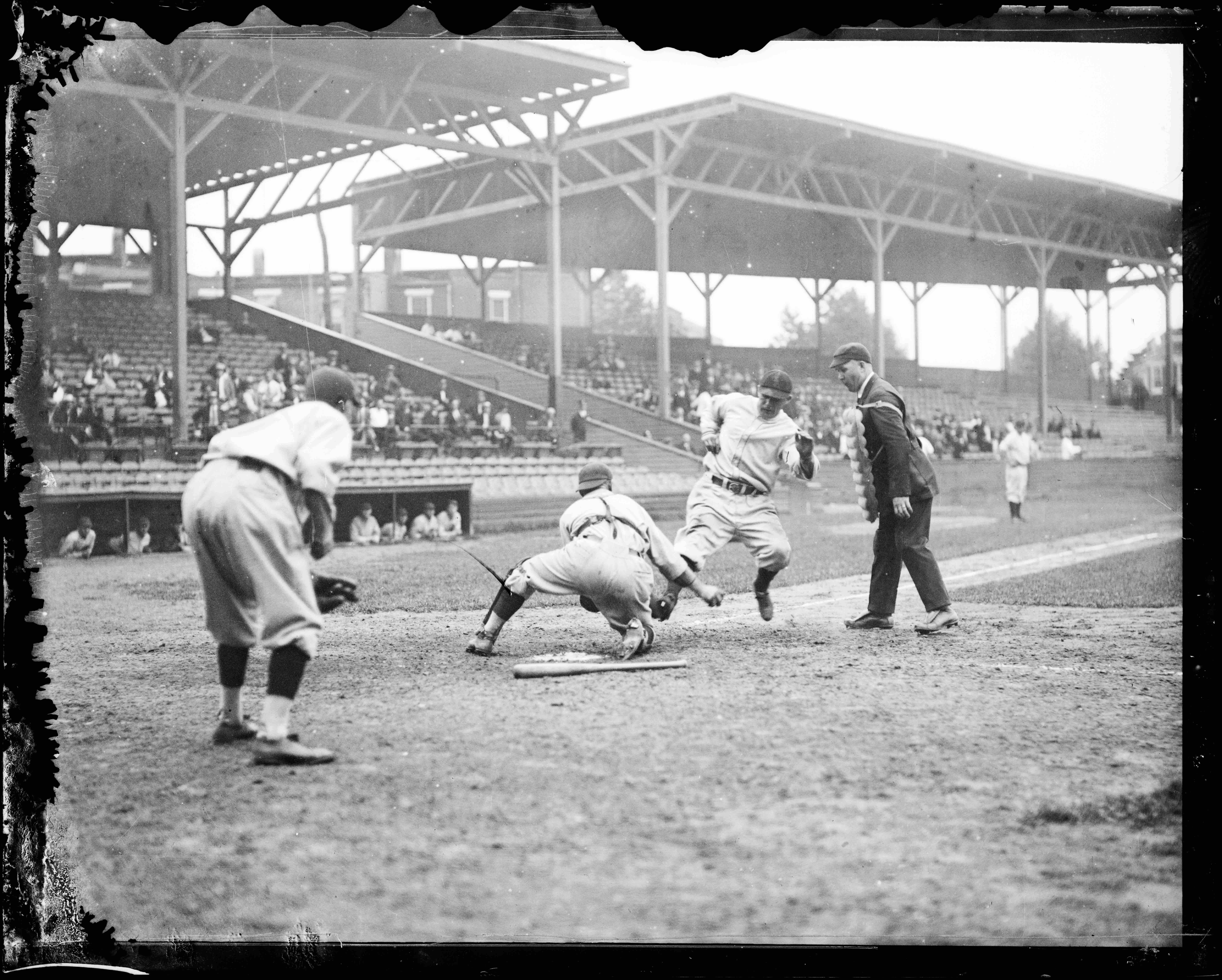
Frederick “Fritz” Maisel in uniform at Old Oriole Park circa 1920s.
Inside the story
On the closing ceremonies at Memorial Stadium, 1991
“It was very quiet, and the music, the stirring music from the movie called the ‘Field of Dreams,’ this stirring kind of music. All of a sudden, there was no announcement ever made, Brooks Robinson, in his old uniform, pops up out of the Oriole dugout and runs over to third base, and the place goes nuts. Brooksie! And then Frank Robinson, same thing in uniform, runs out across the field to right field. I mean, even talking about it now brings a tear to my eye, it makes me emotional just remembering it.”
Jon Miller, former Orioles broadcaster
On the experience of being a young fan
“When I was going with my friends, I would always get bleacher seats, and then after a couple innings, try to go to a better seat. … After that, go to a better seat, and by the ninth inning, work my way down to the box seat when I usually get thrown out when somebody realized I probably shouldn't be there.”
David Rubenstein, Orioles owner
On playing Baltimore’s high school championship football game at Memorial Stadium
“My coach, high school coach, was a man named George Young who eventually left City College High School and became the general manager of the New York Giants, and was the general manager at the time that they were a Super Bowl winner. So Memorial Stadium has a lot of great memories for me, not only going there to watch games, but the thrill of actually playing on that field when I was 16 was a thrill of a lifetime.”
Kurt L. Schmoke, former Baltimore mayor
The final game
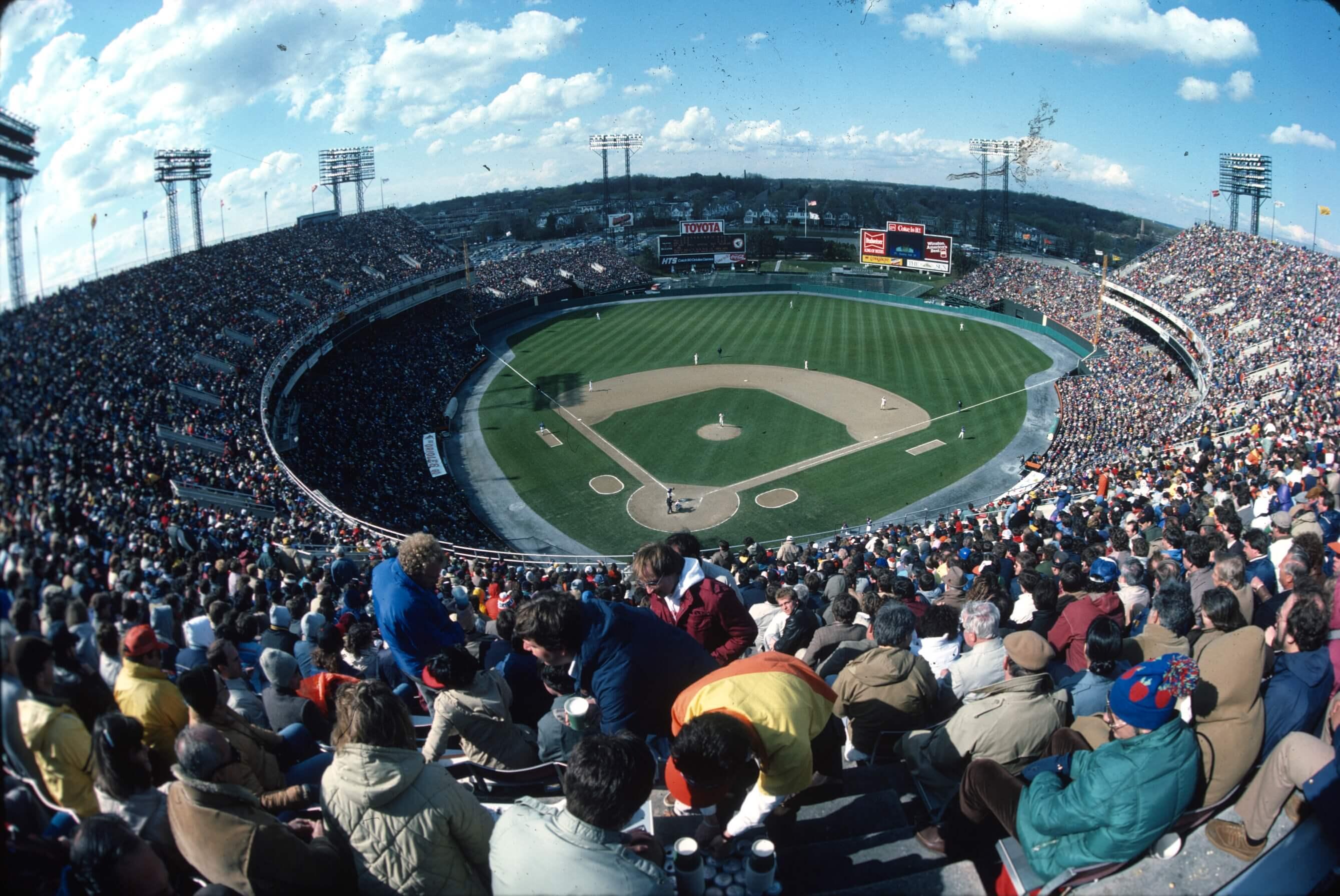
Fifty thousand showed up on 33rd Street for that final Orioles game Oct. 6, 1991. It was a playoff atmosphere — despite the standings. The O’s would finish the season in next-to-last place in the AL East.
No matter. It was the chance to steal one last look at the old gray lady. One final inhale of old concrete, stale beer, and ever-present popcorn. One final moment to stand in the same place their parents did. The game itself ended in a 7-1 loss to Detroit, but nobody came for the scoreboard.
After the final out, legends filled the field, and the stadium turned into a living scrapbook. Then came the moment that still makes throats tighten: Frank Robinson’s final run home, and home plate being lifted out and driven off in a stretch limo to Camden Yards.
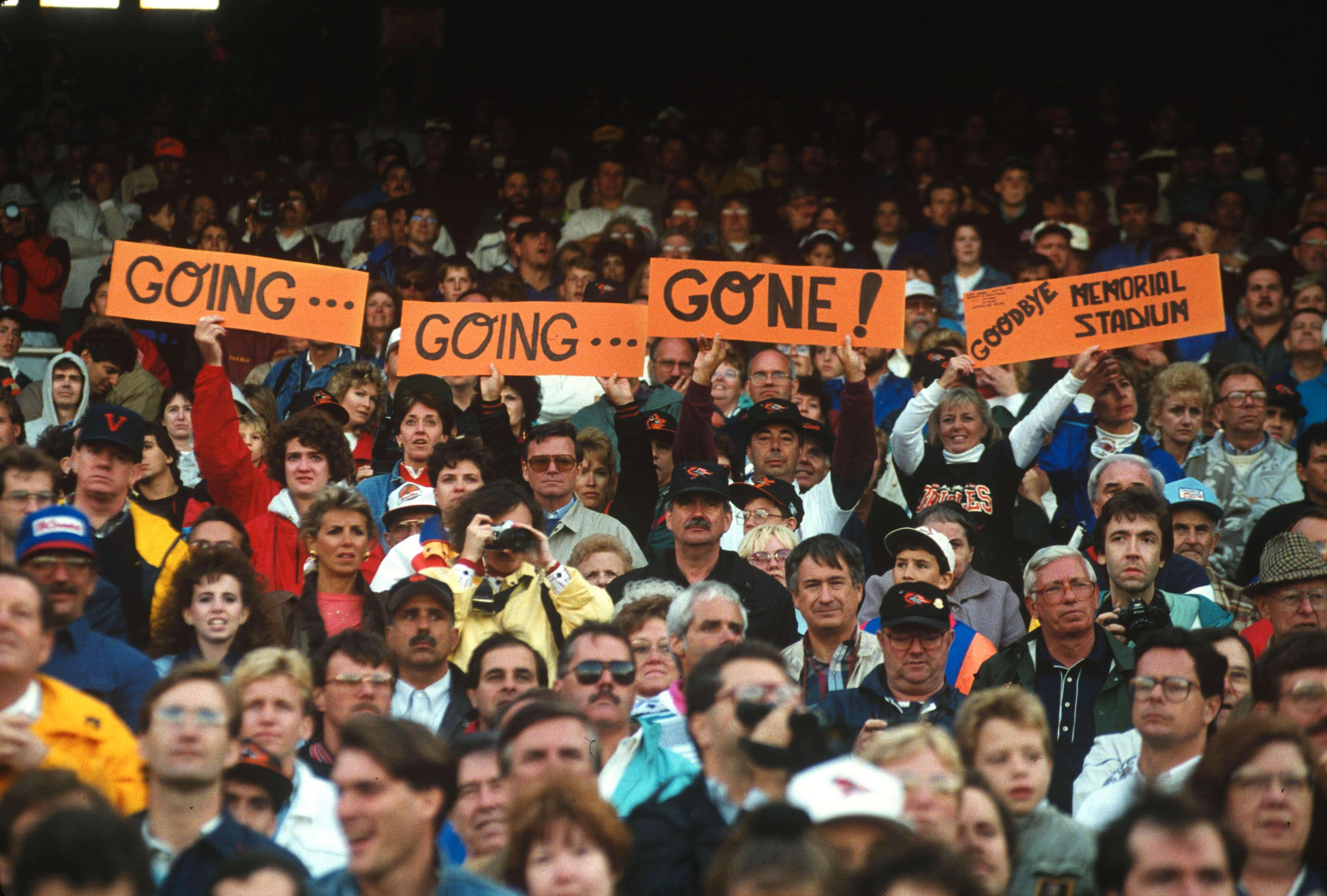
Fans bid an emotional farewell to Memorial Stadium.
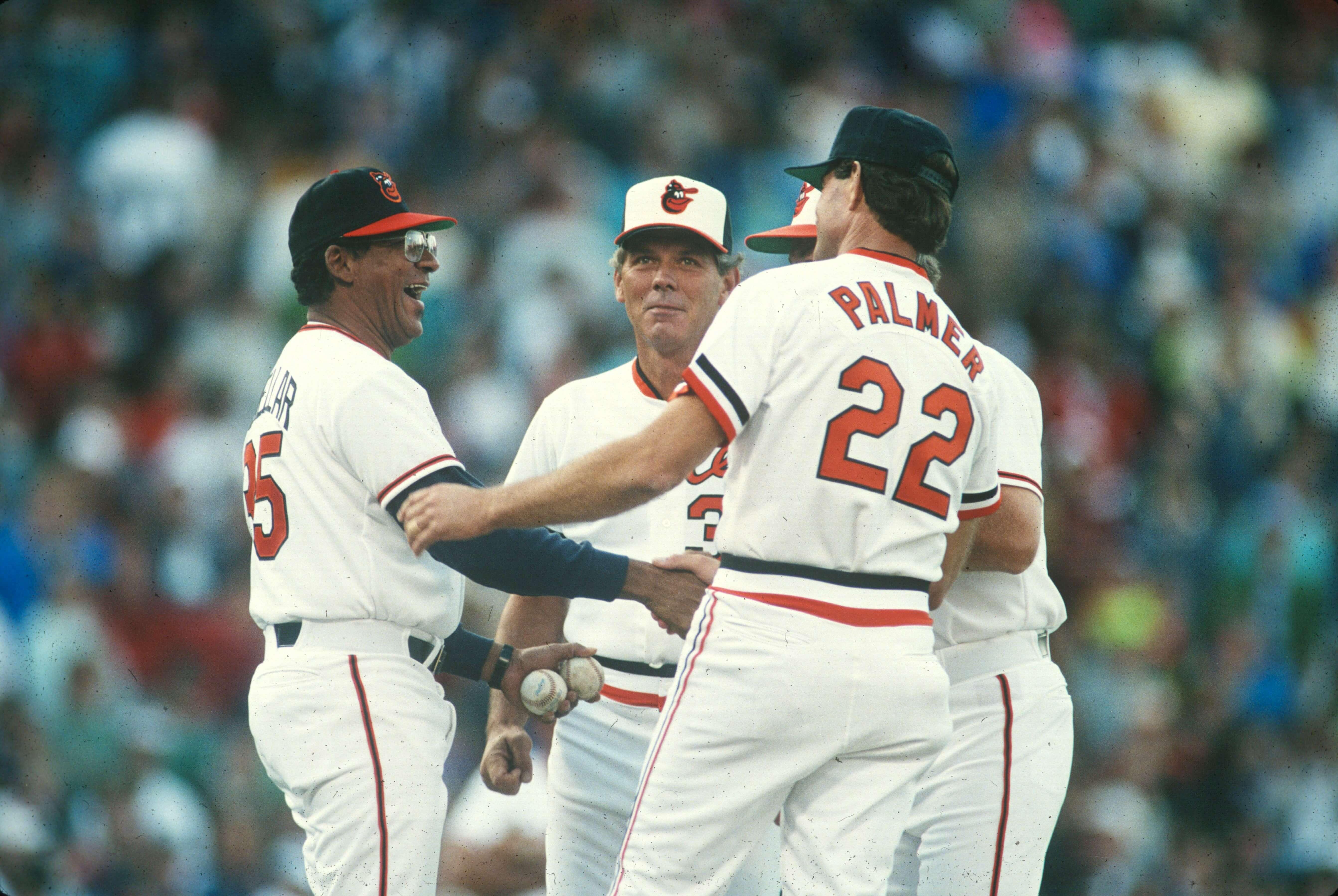
Hall of Famer Jim Palmer is joined by former Orioles teammates and pitching stars.
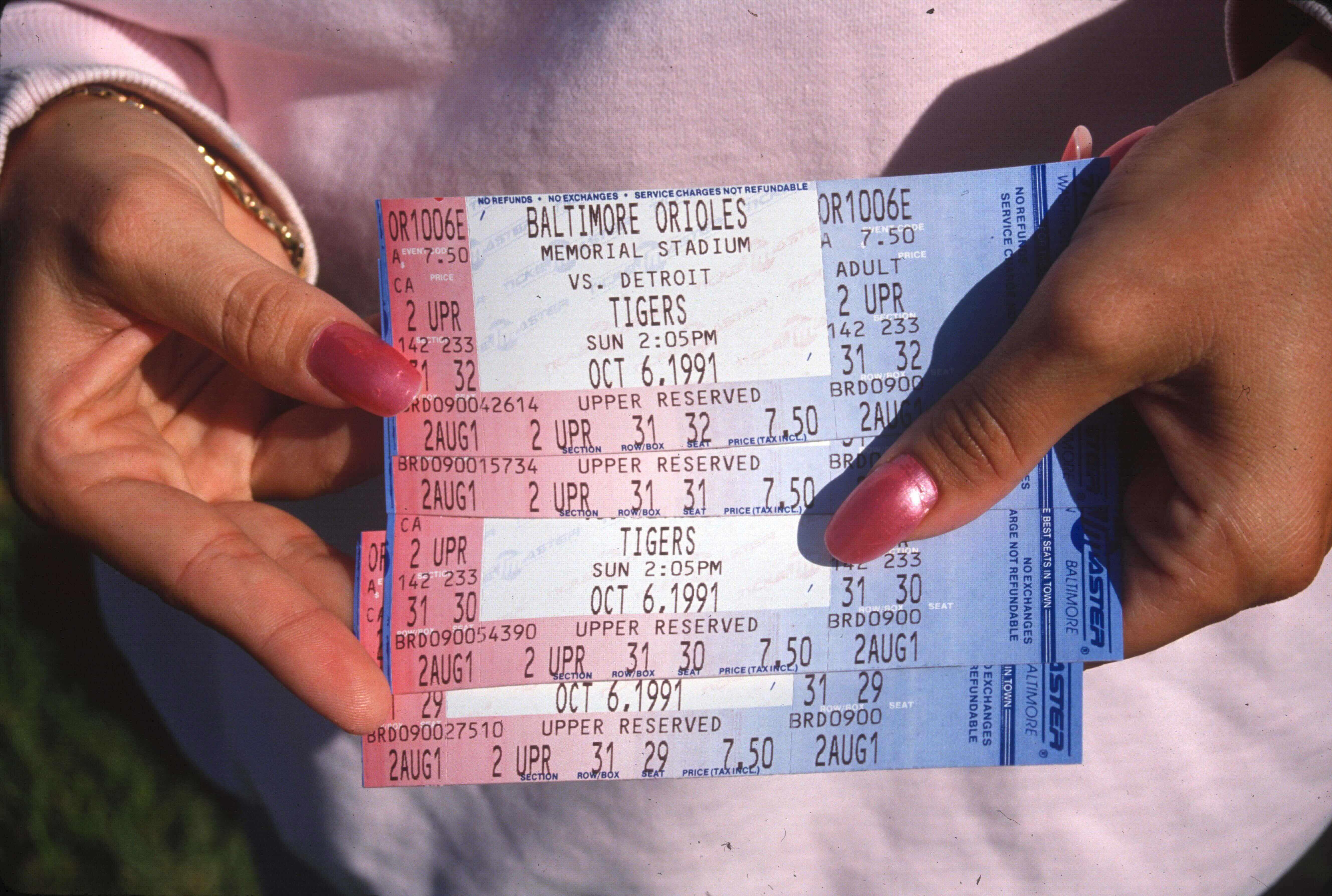
A fan holds prized tickets to the final game.
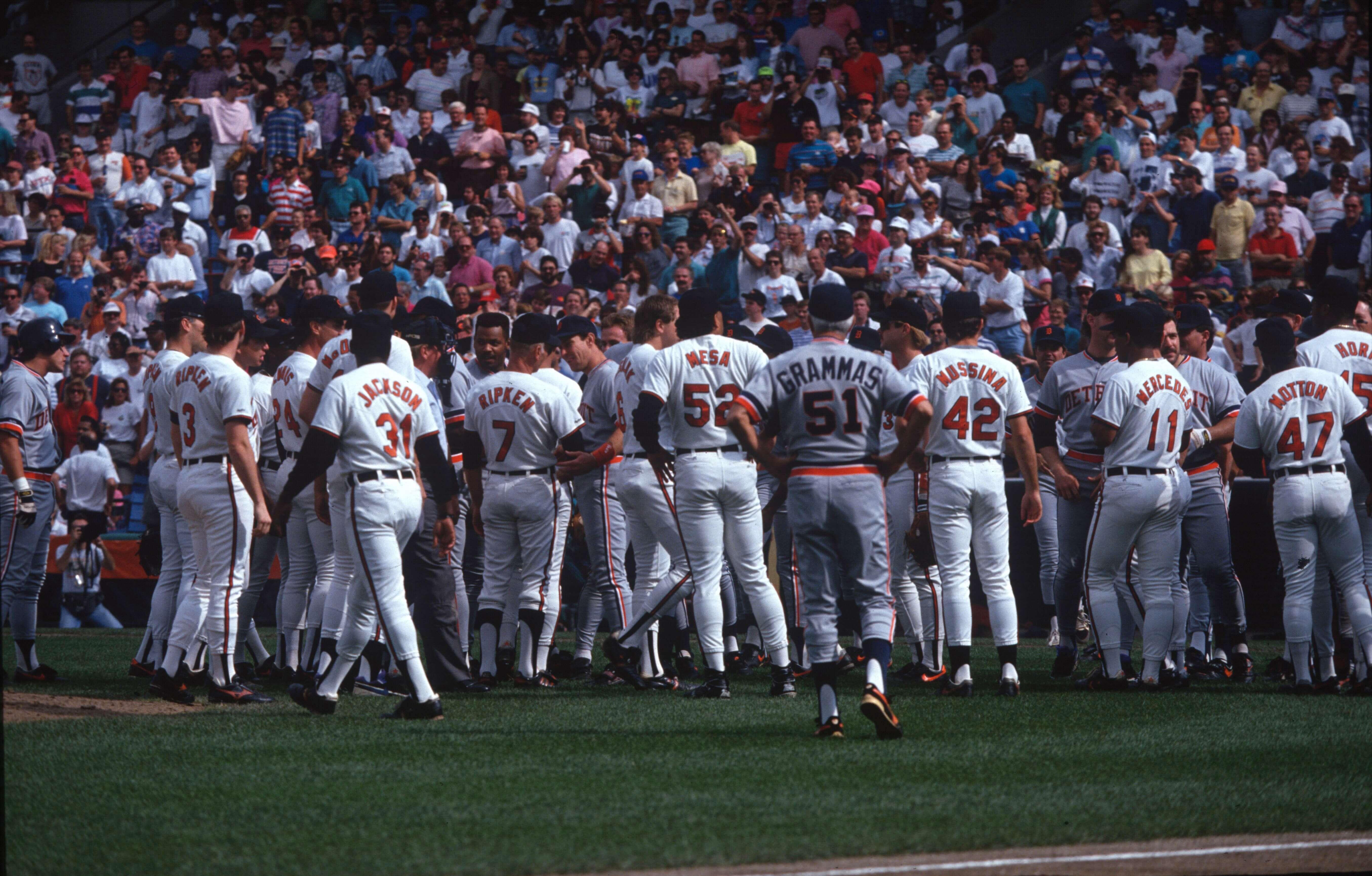
Orioles players from five decades gather on the field.
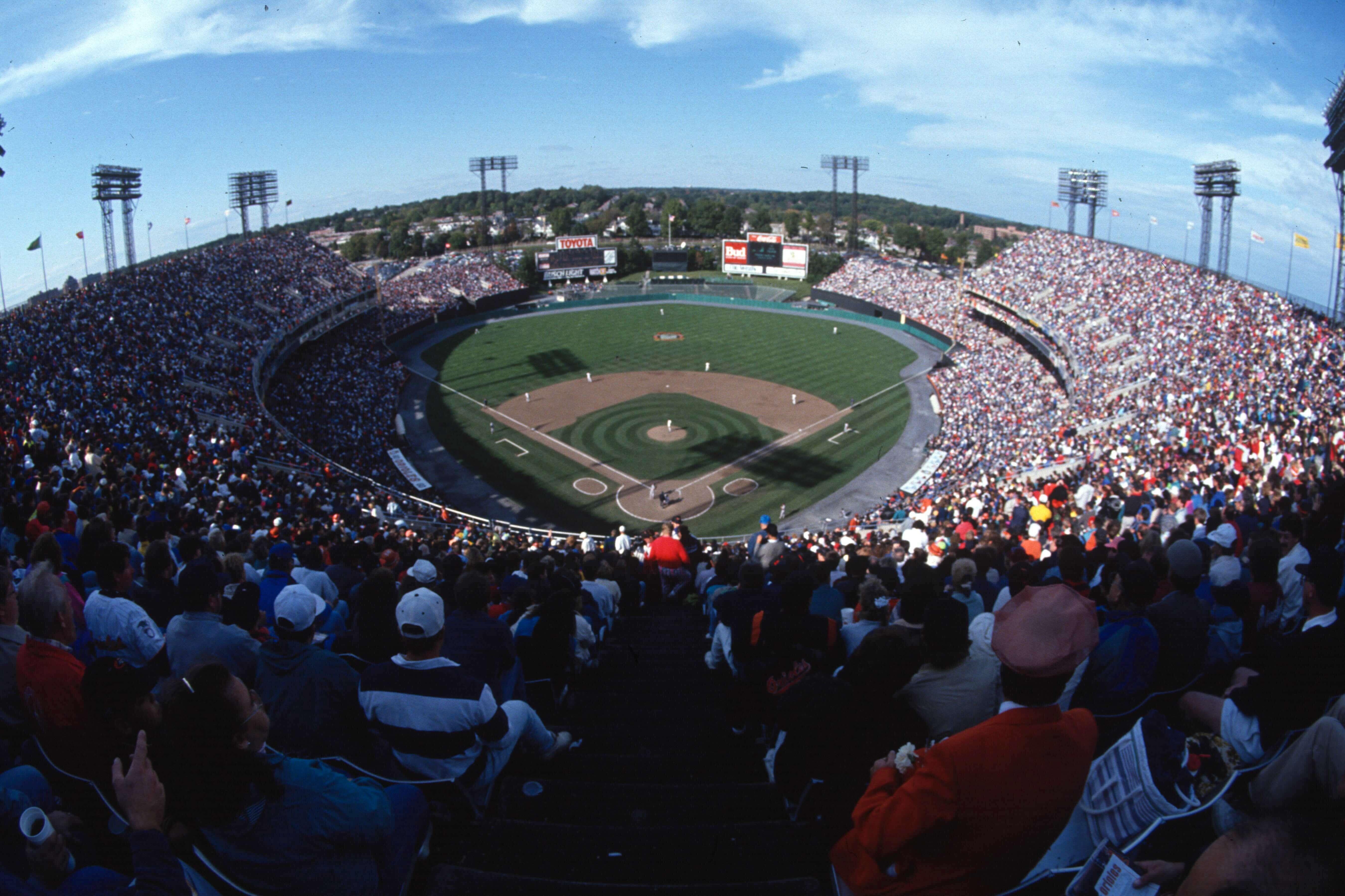
Fans packed Memorial Stadium for the final game.
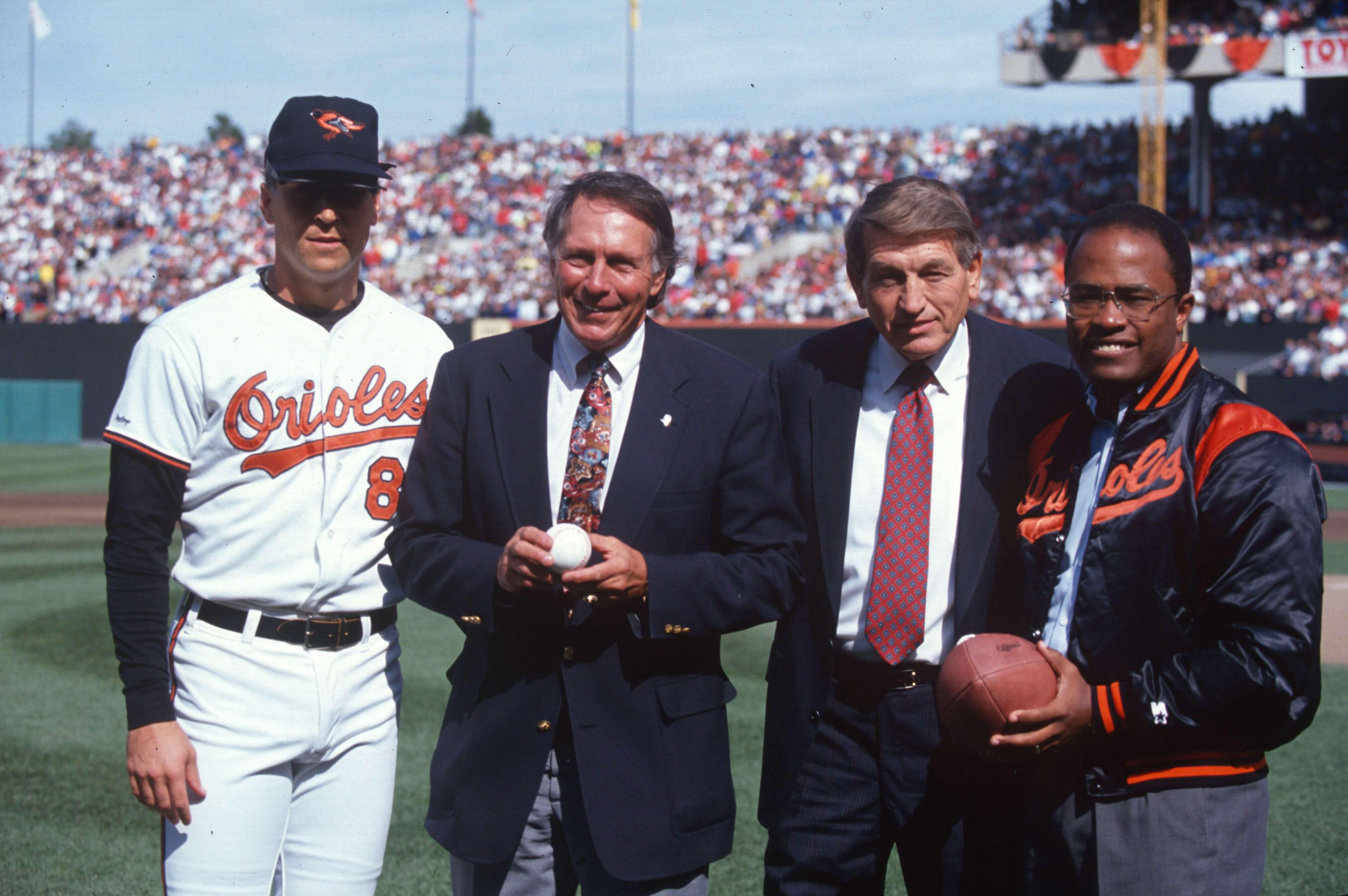
Baltimore sports royalty, from left, Cal Ripken Jr., Brooks Robinson and Johnny Unitas join then-Baltimore Mayor Kurt L. Schmoke for pregame ceremonies.
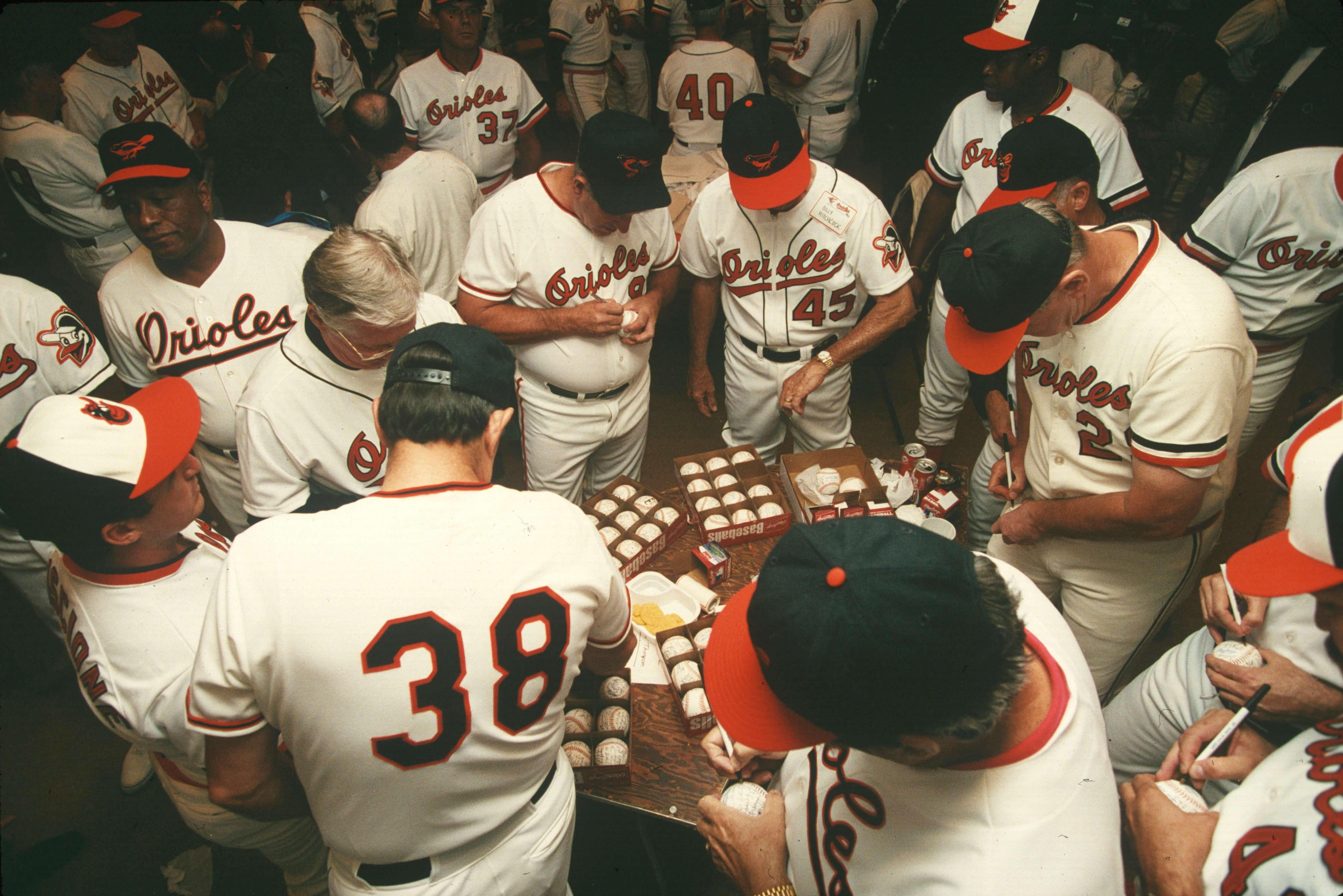
Retired Orioles players sign baseballs in the clubhouse.
Cast of characters
In this act.
JON MILLER
Former Orioles play-by-play broadcaster; Major League Baseball announcer
NED WILLIAMS
Son of former Orioles owner Edward Bennett Williams
KURT L. SCHMOKE
Former Baltimore mayor; University of Baltimore president
DAVID RUBENSTEIN
Orioles owner
BOB AYLWARD
Former Orioles VP of business affairs
ROBERT FLANAGAN
Former Orioles secretary and treasurer
JOSEPH DiBLASI
Former Baltimore city councilman
Next: Departure of the Colts
Baltimore's once-glorious NFL team sneaked out of town in the dead of night in March 1984, a caravan of Mayflower moving trucks ripping a path through the city's psyche and raising an alarming question: Could the Orioles be next to go?